Varanasi Ghats
Varanasi, Uttar Pradesh, India
About
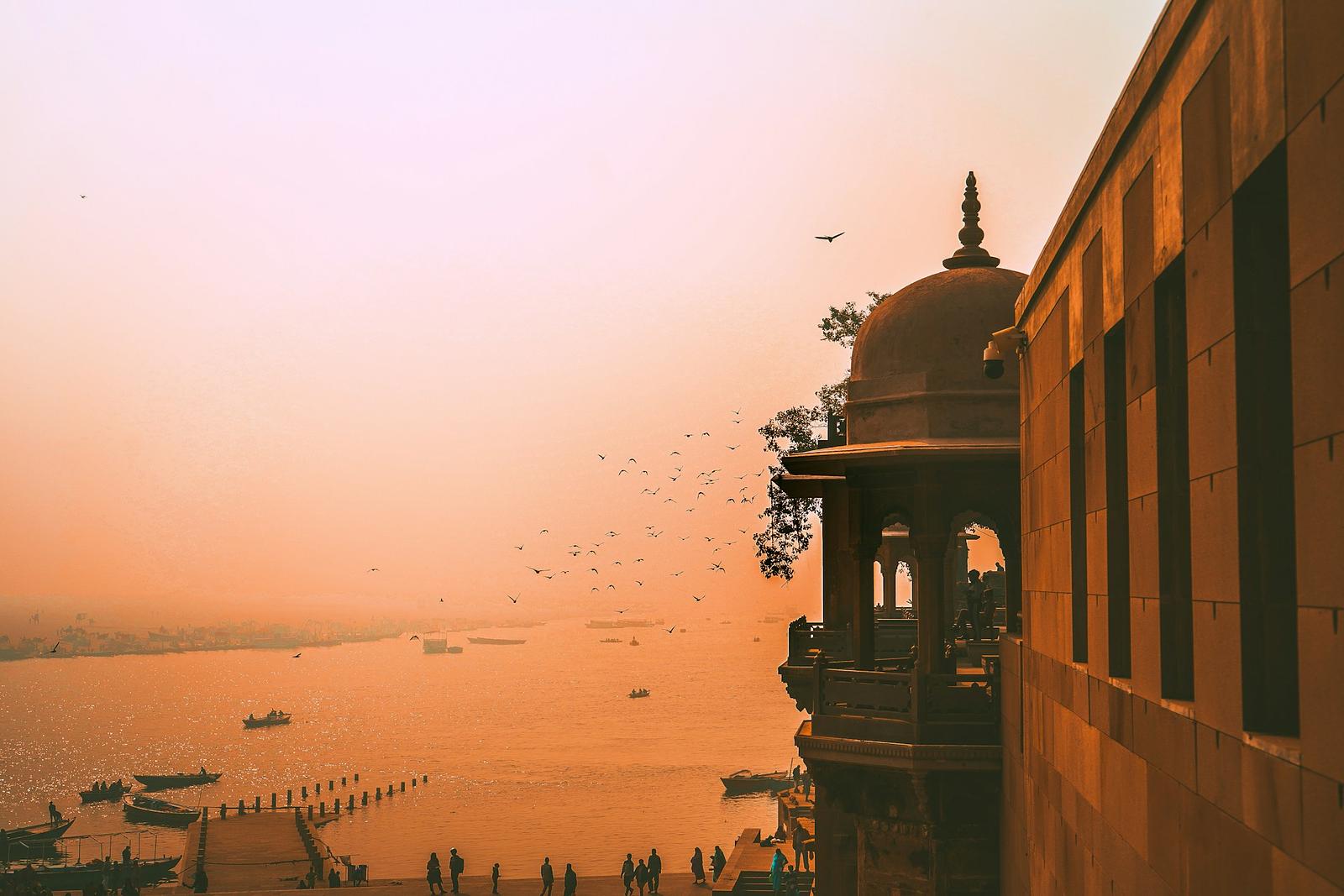
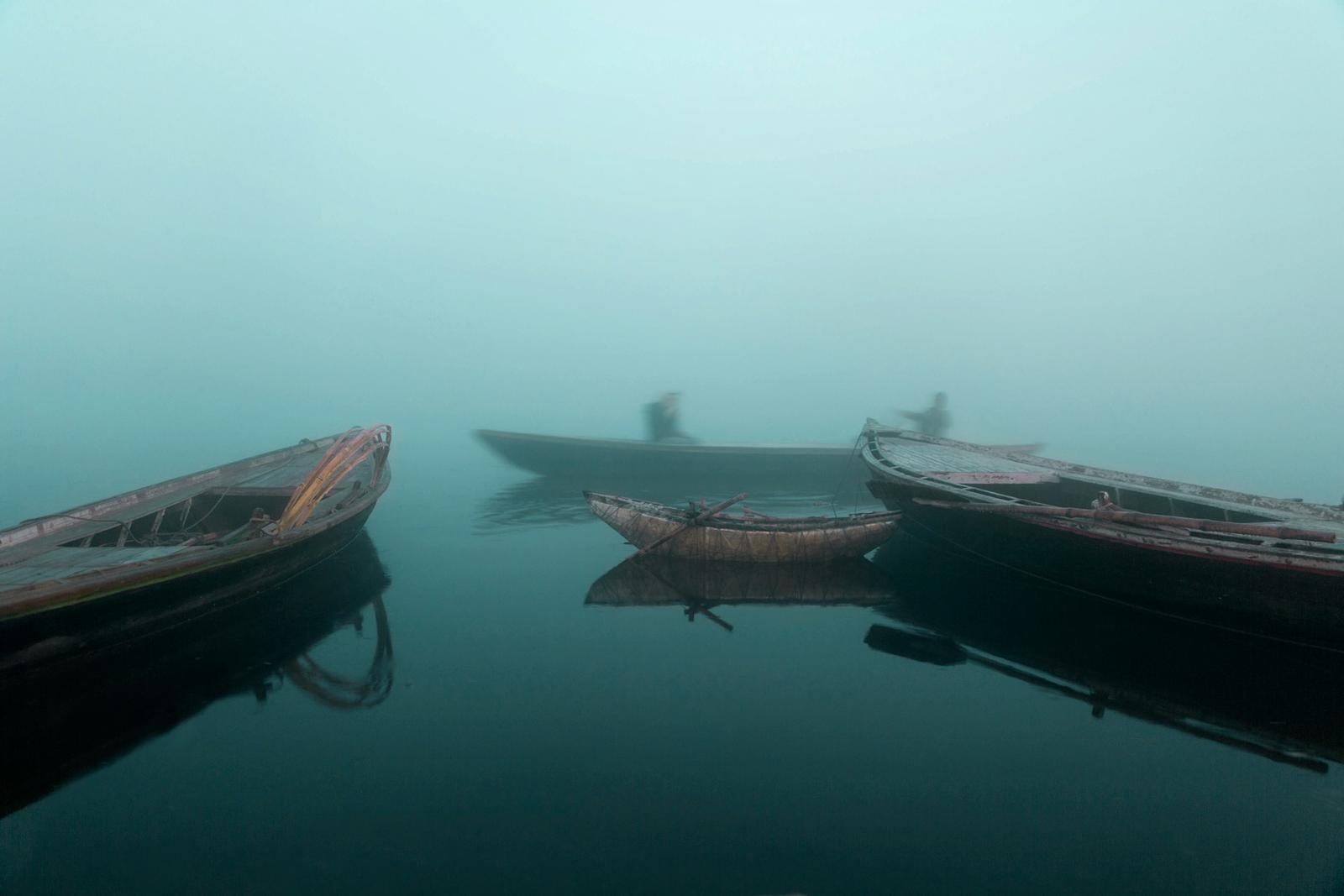
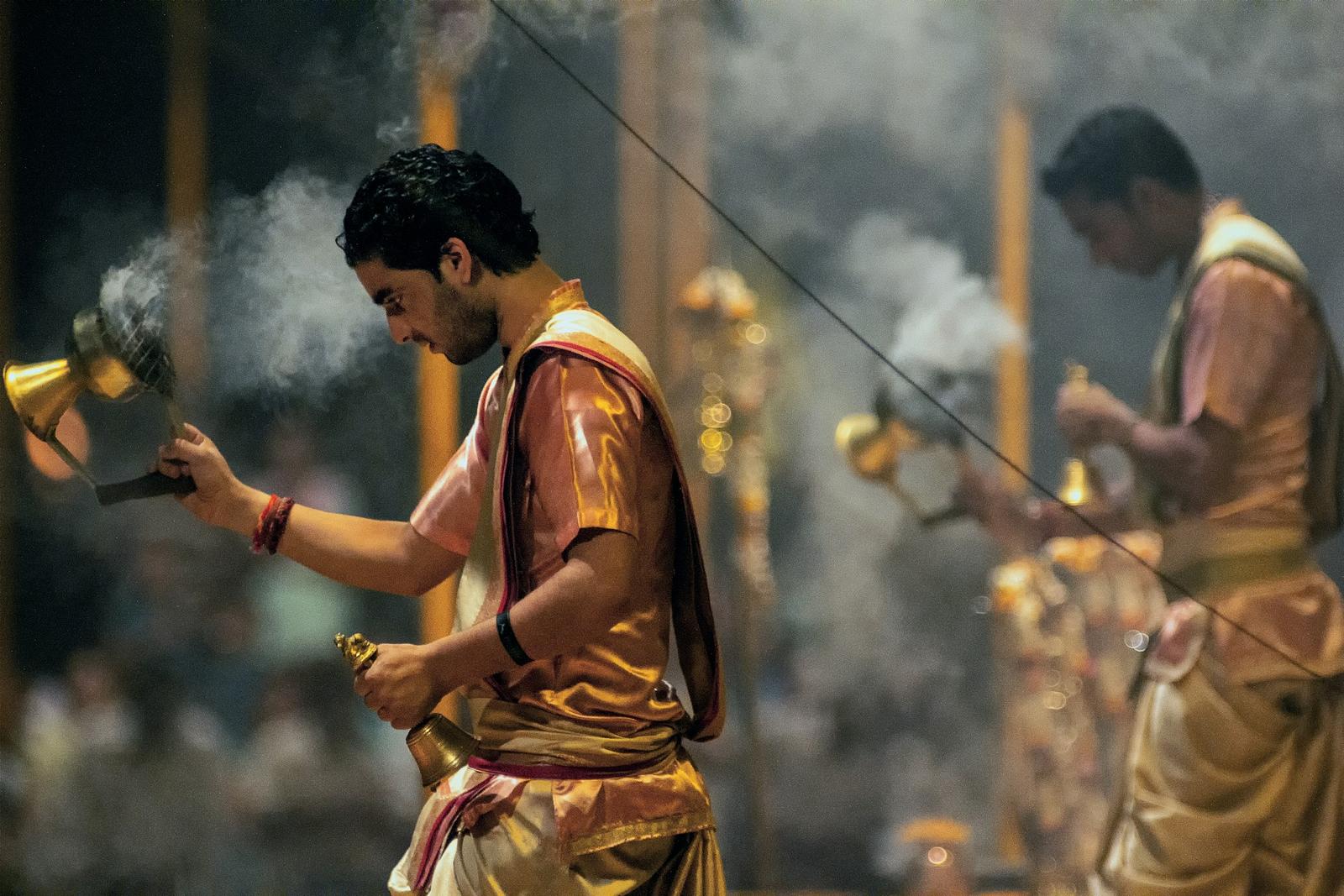
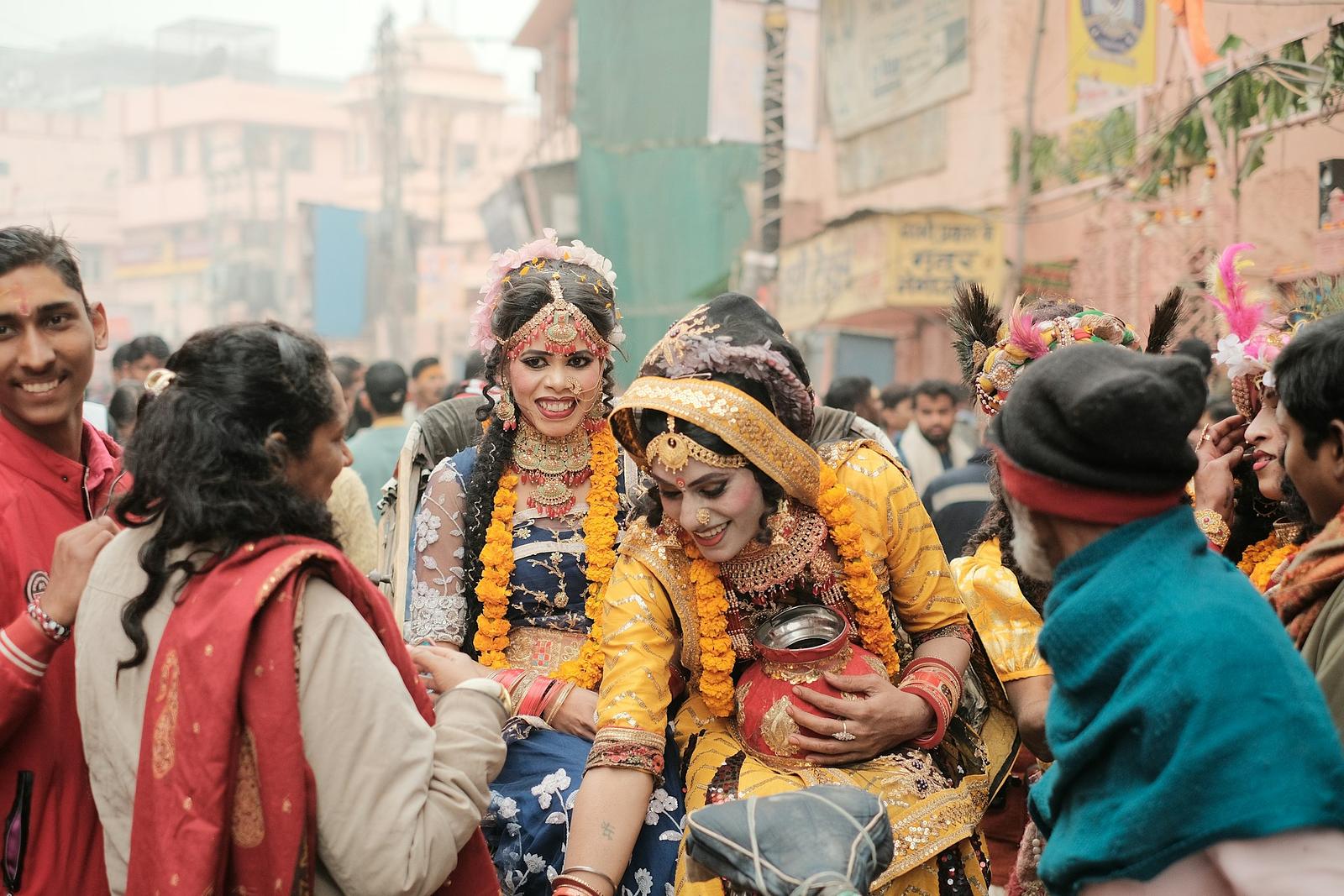
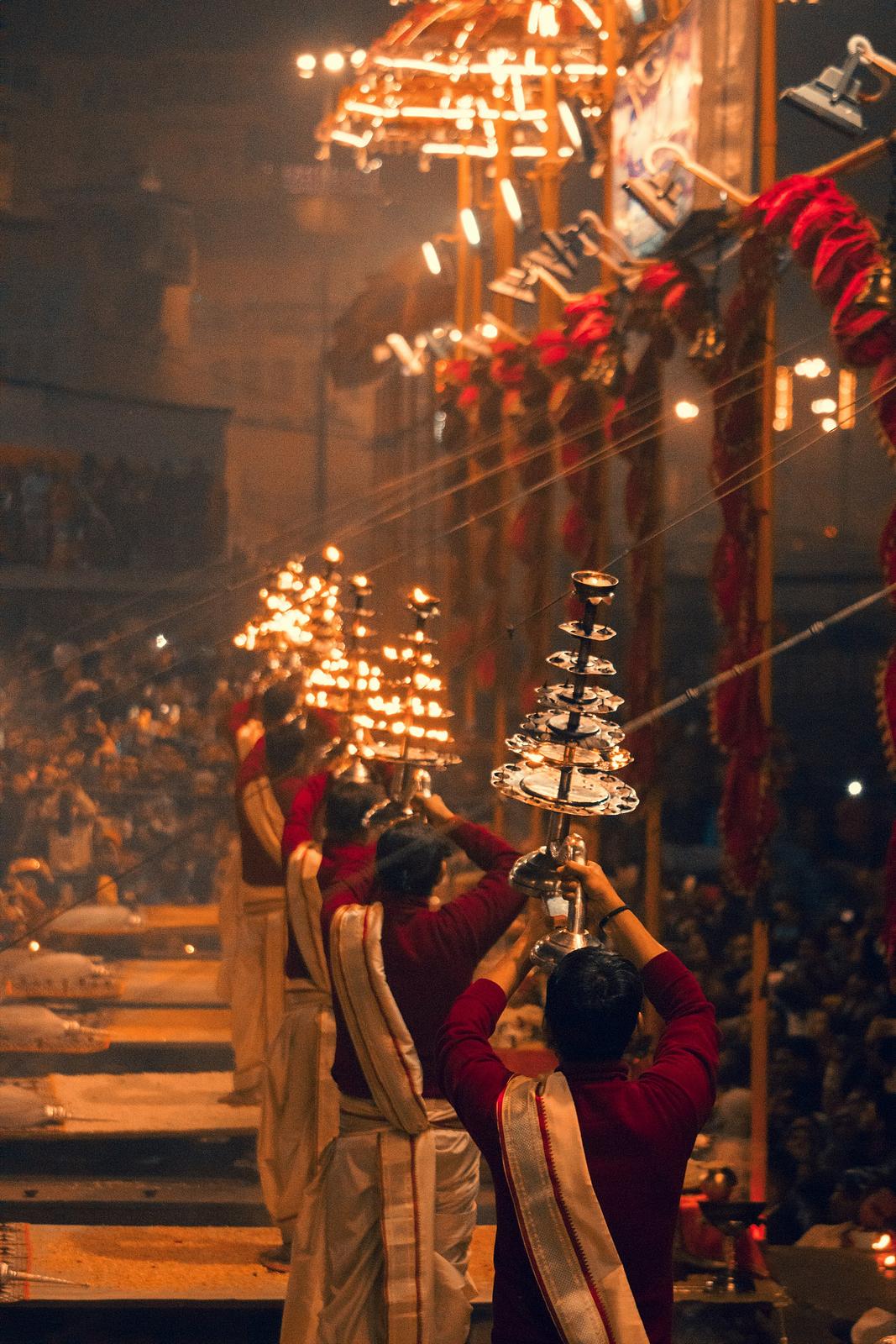
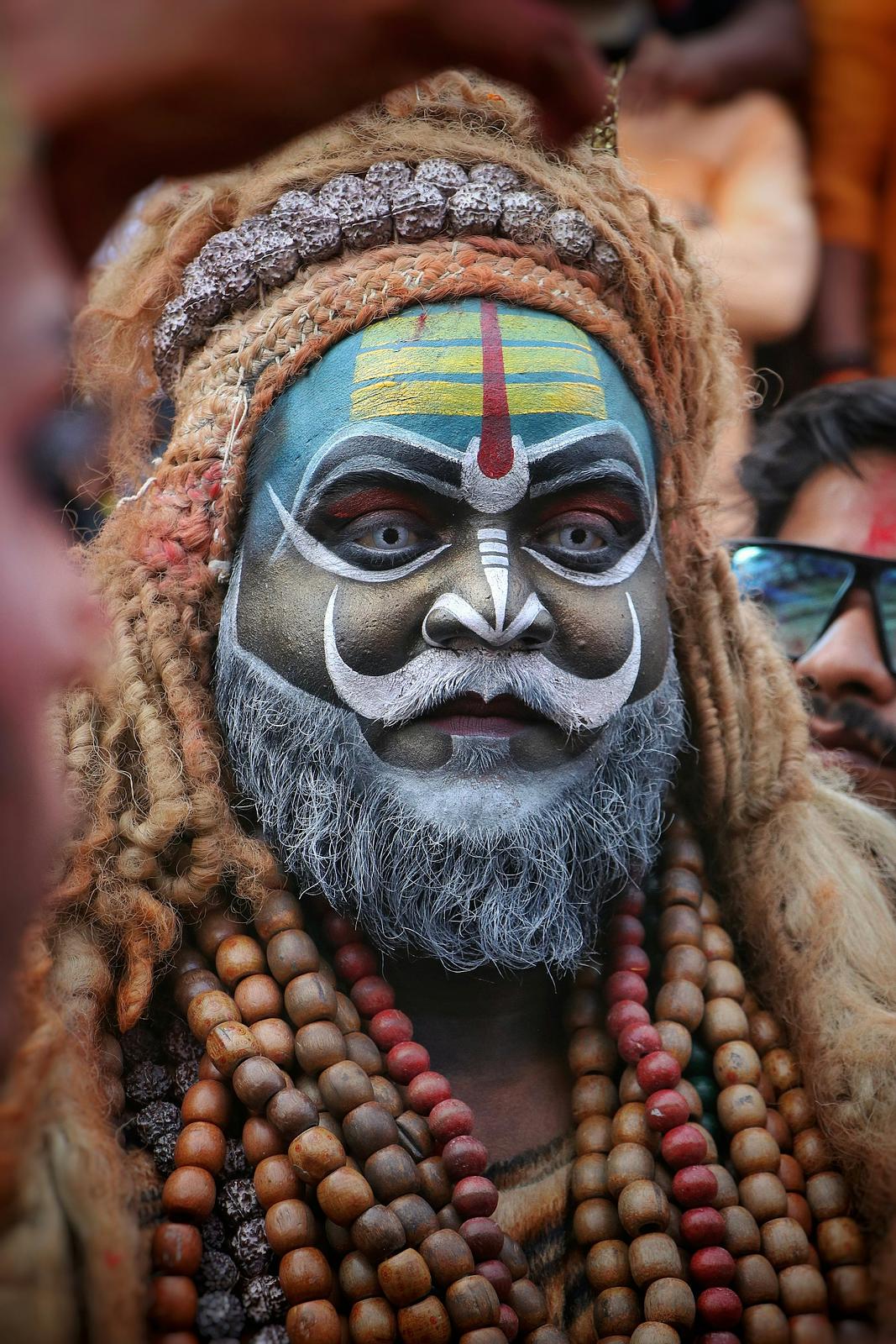
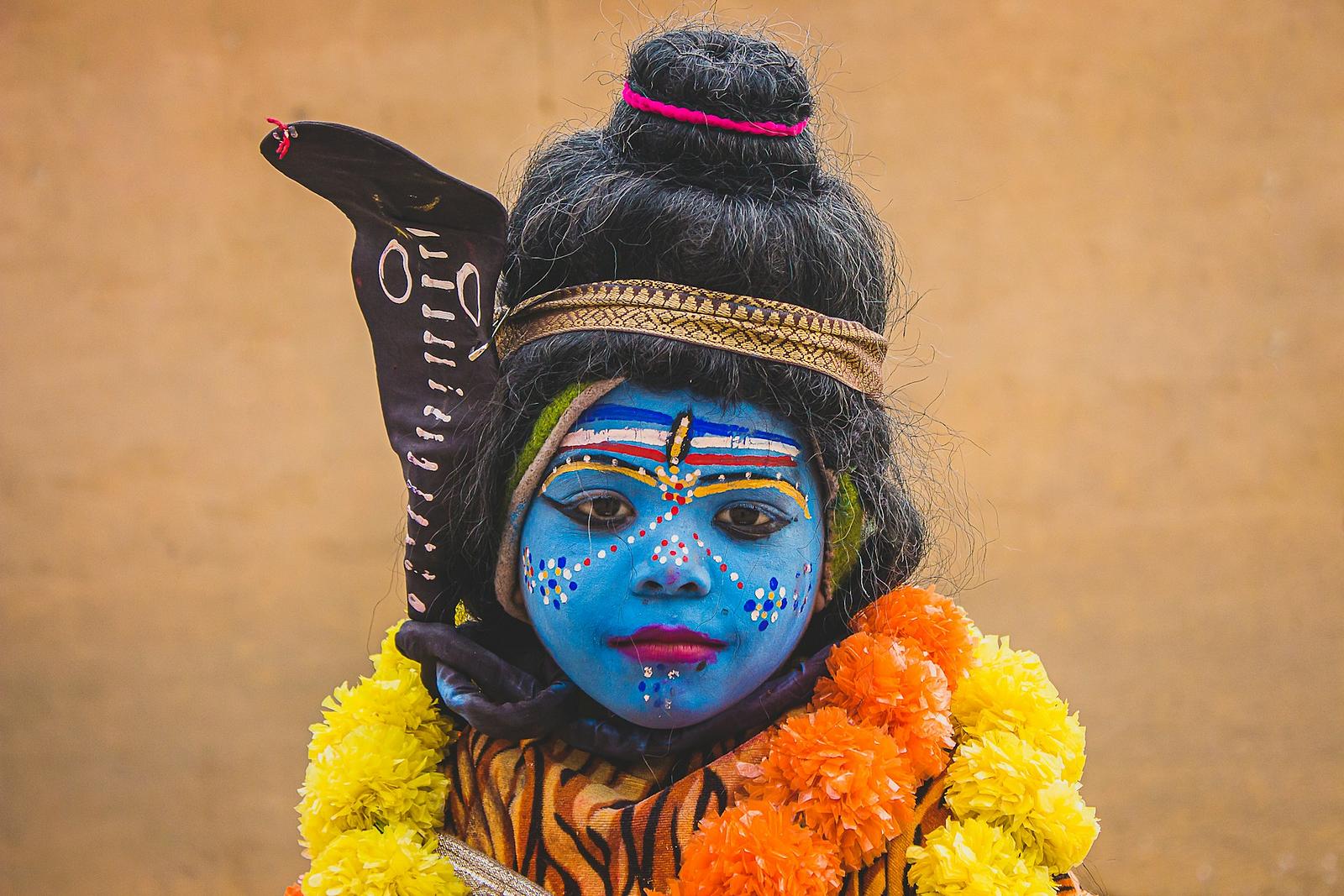
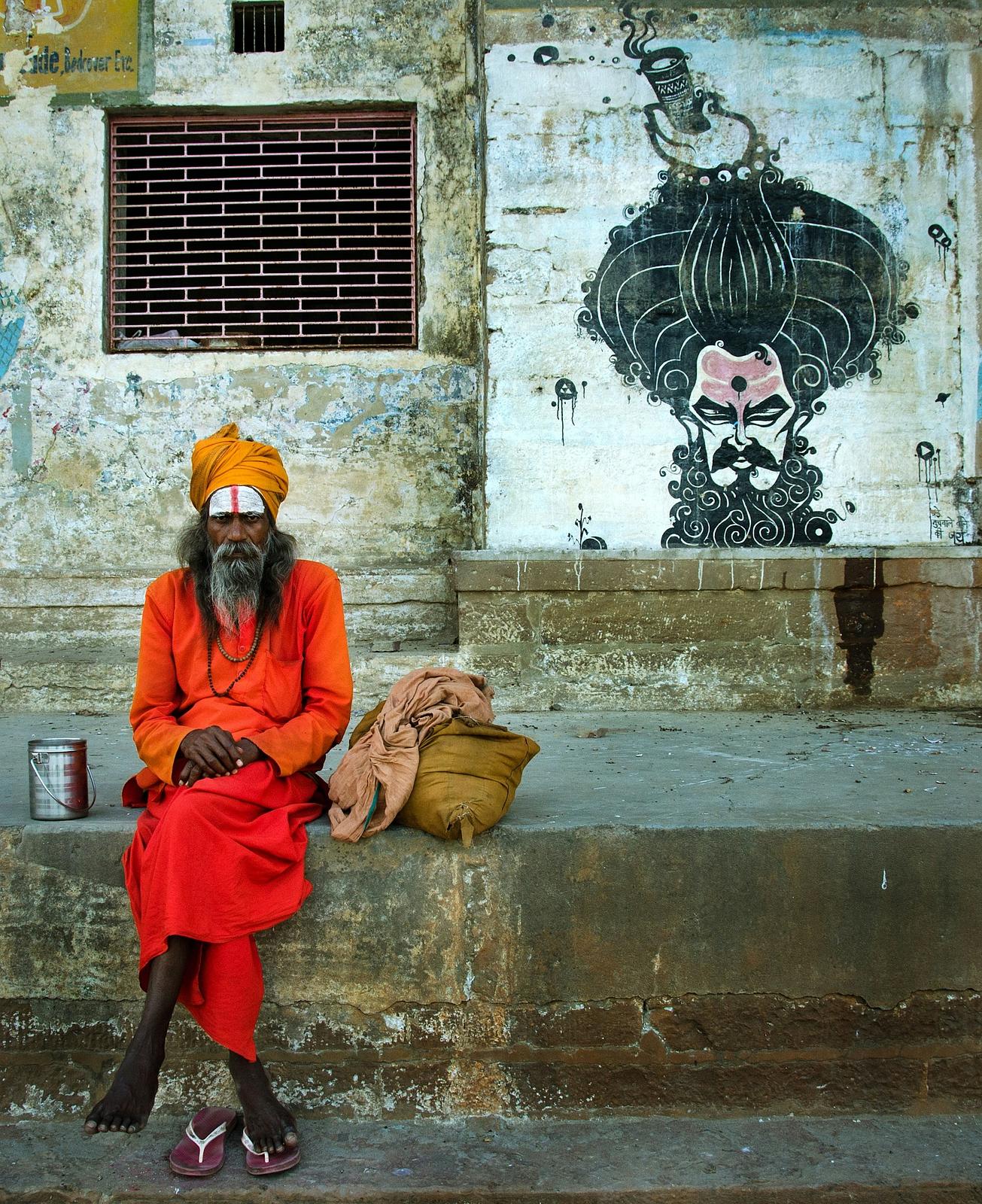
Varanasi does not ease you in. It starts with bells, boat horns, wet stone, temple queues, laundry being slapped on the ghats and someone trying to sell you tea before the sun has properly shown up. This is Kashi, Banaras, Varanasi: three names for a city that has been making visitors feel slightly underprepared for a very long time. The riverfront is the reason to come. Ghats drop into the Ganges in wide stone steps, with old mansions and palaces rising behind them, built by rulers and patrons who wanted to be close to the sacred river. Varanasi was already known in antiquity for religion, philosophy, silk, muslin, perfumes, ivory work and sculpture, which explains why the city never feels purely spiritual. It has always traded as well as prayed. A Banarasi silk sari, seen in the right shop, suddenly feels less like a souvenir and more like evidence. Go out by boat at dawn. Priests, bathers, students, sadhus, stray dogs and half awake tourists all drift through the same pale light. Later, the lanes tighten towards Kashi Vishwanath Temple, whose present 18th century structure was built under Ahilyabai Holkar and is known for its gilded spires. In the evening, Dashashwamedh Ghat fills for the aarti, all lamps, conch shells, incense and elbows. Varanasi is also a UNESCO City of Music, which feels about right: even the traffic seems to be keeping time, badly. It is crowded, confronting and not always comfortable. That is also why it stays with you. Few places make the sacred and the ordinary share so much space.
Contact
- Website
- Visit website
Location