Panthéon
Pl. du Panthéon, 75005 Paris, France
About
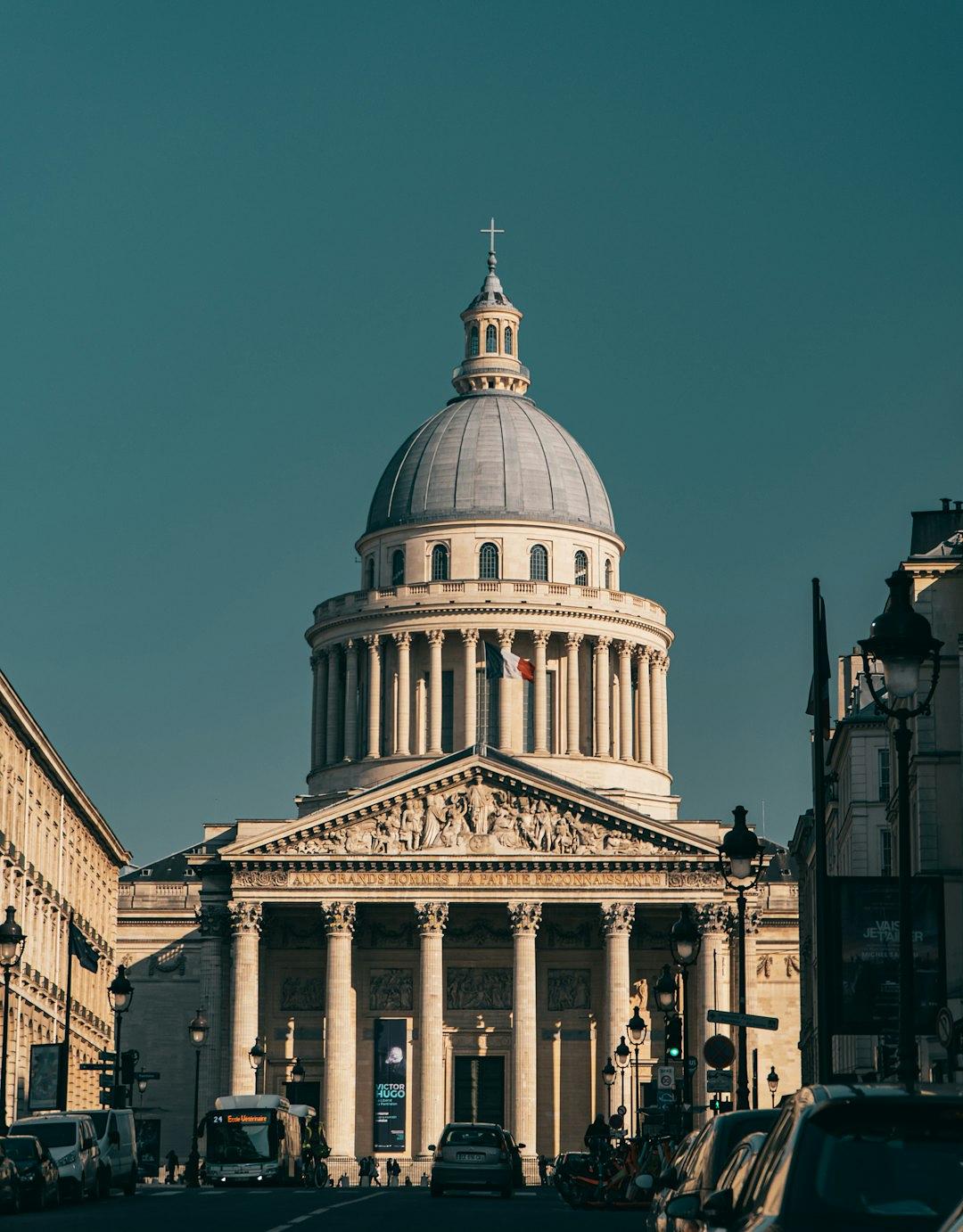
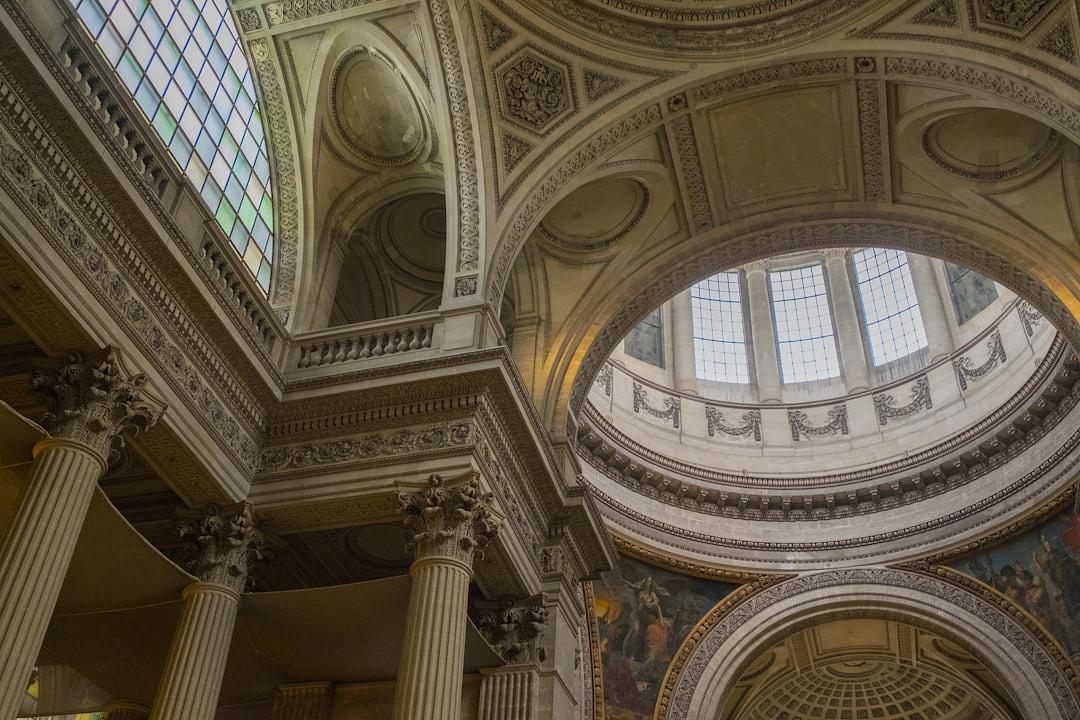
Standing on the Montagne Sainte Geneviève in the Latin Quarter, the Panthéon carries the quiet authority of a building that has changed its purpose as often as France has changed regimes. Commissioned by Louis XV in 1744 after he recovered from illness, it was intended as a church dedicated to Sainte Geneviève. Architect Jacques Germain Soufflot chose a radical approach for his time, combining the clarity of Greek temple architecture with the engineering ambition of Gothic structures. The result is a vast stone volume crowned by a dome that rises to 83 metres, visible across much of Paris. The French Revolution interrupted its religious destiny. In 1791, the building was secularised and transformed into a mausoleum for the nation’s great figures. The inscription on the façade, “Aux grands hommes la patrie reconnaissante,” remains one of the most concise summaries of French civic pride. Voltaire and Rousseau were among the first to be interred here, followed later by Victor Hugo, Émile Zola, Marie Curie and, more recently, Simone Veil. Inside, the scale is immediate. The forest of Corinthian columns supports a triple layered dome, allowing light to filter down with surprising softness. In 1851, Léon Foucault demonstrated the rotation of the Earth here using his famous pendulum, a scientific experiment staged in a space originally built for worship. That tension between reason and reverence still defines the atmosphere today.
Contact
- Website
- Visit website
Location