Meteora
Kalabaka 422 00, Greece
About
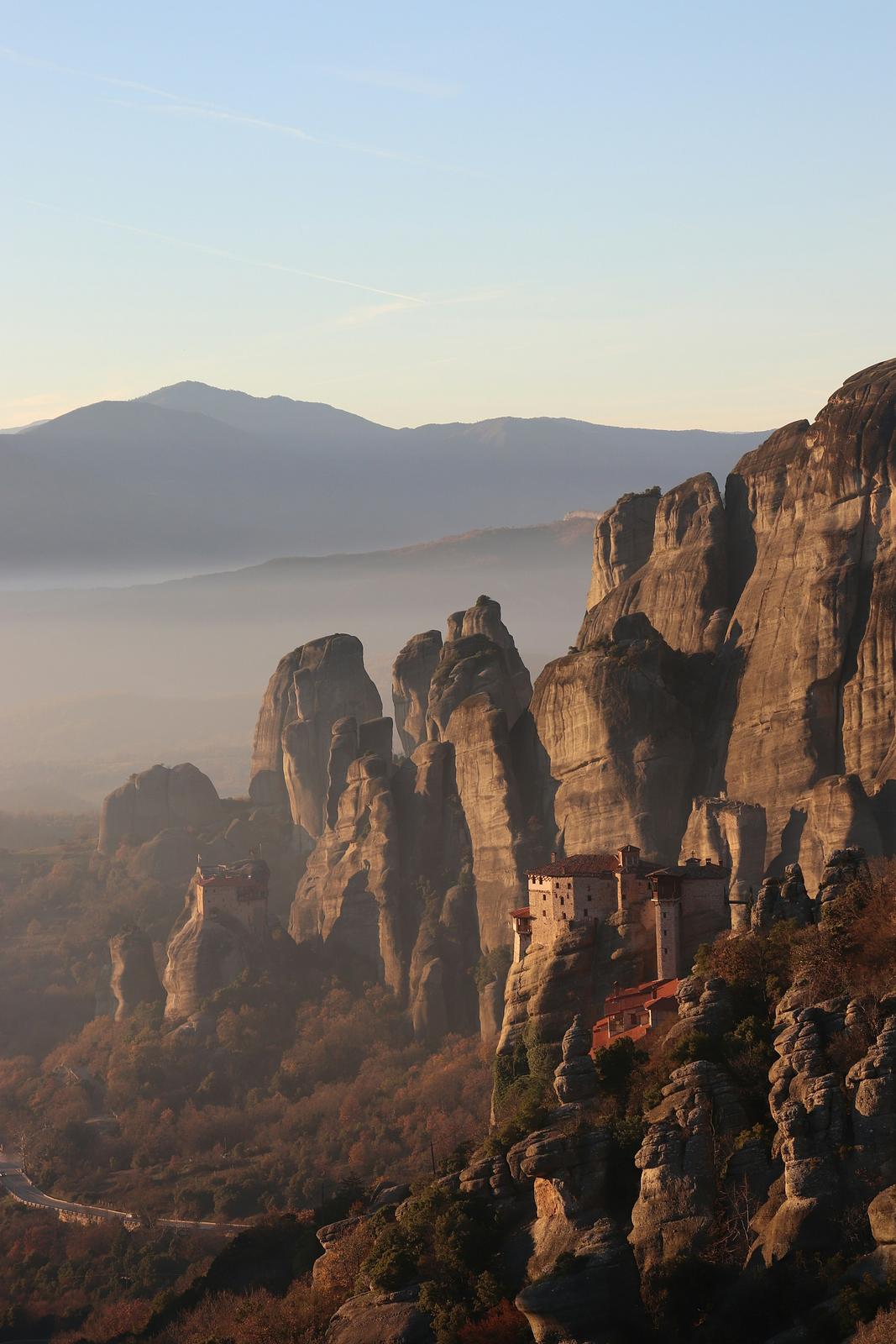
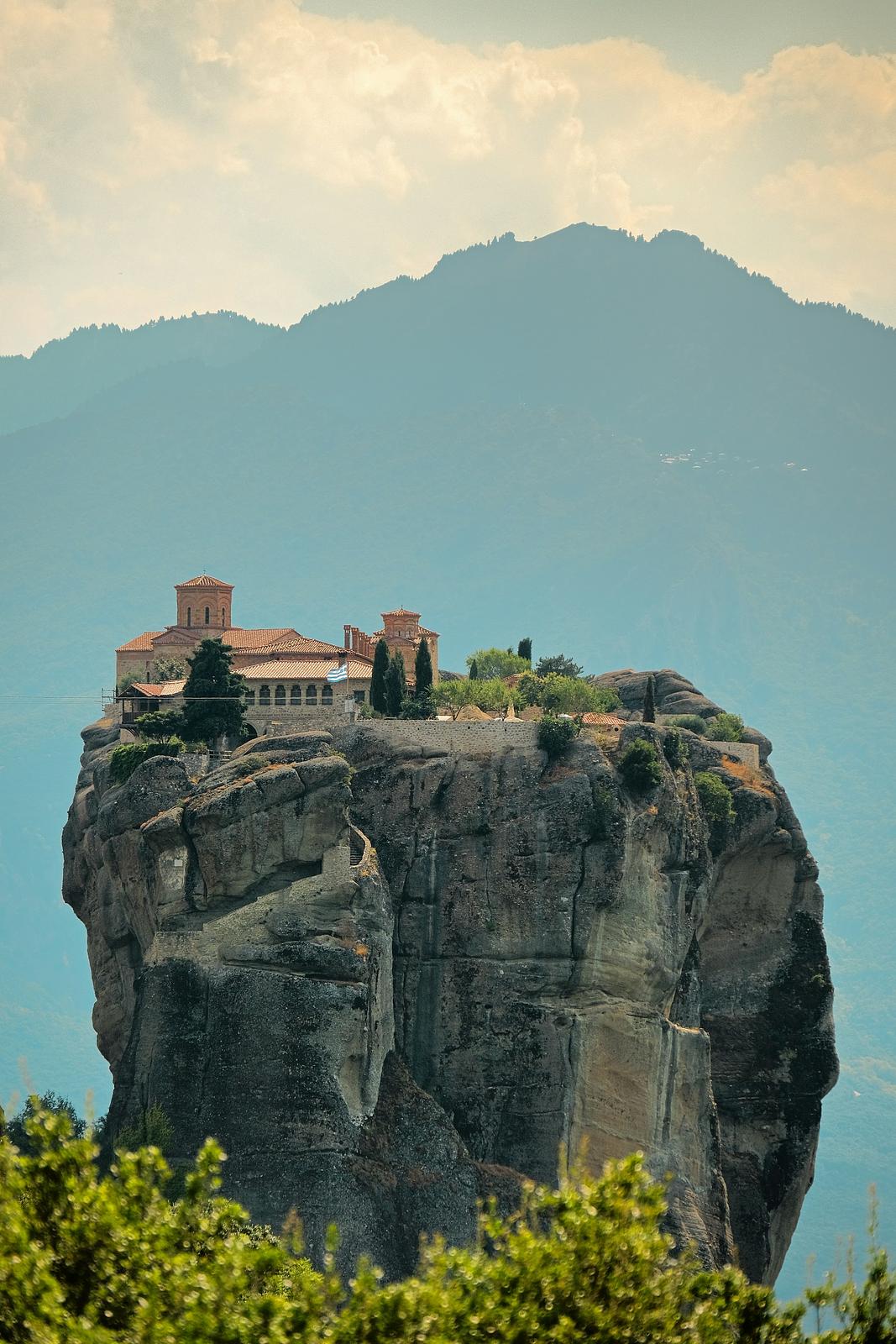
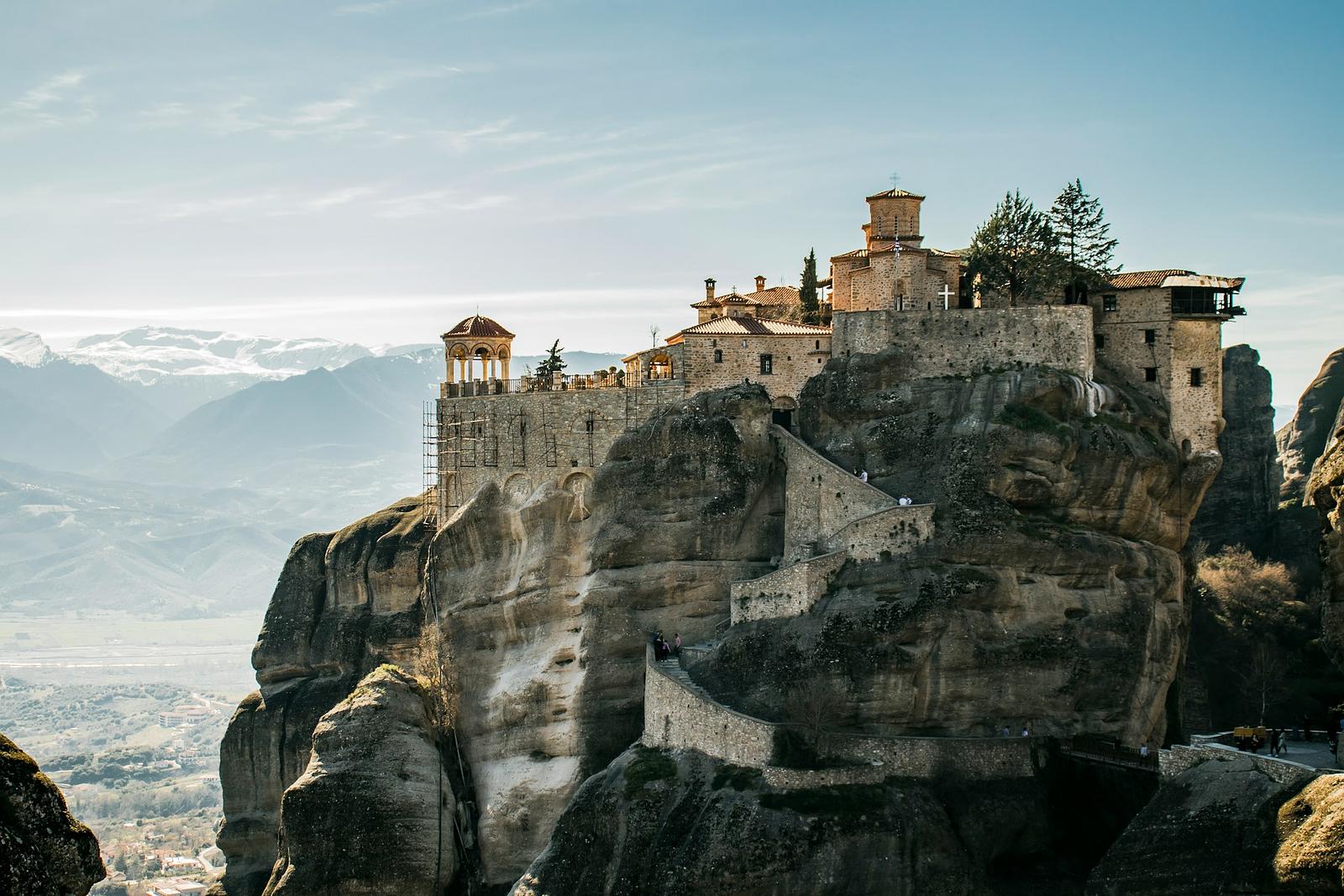
Above Kalabaka, the rocks of Meteora do not rise politely. They shoot up from the Thessalian plain in huge sandstone and conglomerate columns, worn by time into shapes that look almost too strange to be natural. Then, once your eyes adjust, you spot the monasteries on top. Not nearby. Not halfway up. Right on the summits, as if a group of monks once looked at a vertical pillar of stone and thought, yes, that seems practical. The name Meteora means “suspended in the air”, which is unusually honest for a place name. Hermits had already come here by the 11th century, living in caves and cracks in the rock. Later, especially from the 14th and 15th centuries, the great monasteries appeared. At its height there were twenty four. Today, six can be visited, each with its own mix of small chapels, frescoes, courtyards, wooden balconies and steps that quickly turn sightseeing into a mild fitness assessment. The old access was even better, or worse, depending on your appetite for risk. Before roads and staircases, people and supplies were pulled up with ropes, ladders and nets. There is a famous local tale that the ropes were replaced only “when the Lord let them break”. Probably folklore, but very efficient at ending complaints about the stairs. What makes Meteora stay with you is the oddness of the whole arrangement. You move from a dim chapel painted with saints to a terrace where Kalabaka is tiny below, the Pindus mountains sit in the distance, and the rock pillars stand around you like an audience. It is grand, but also slightly mad. That is its charm.
Location