Jardin du Luxembourg
75006 Paris, France
About
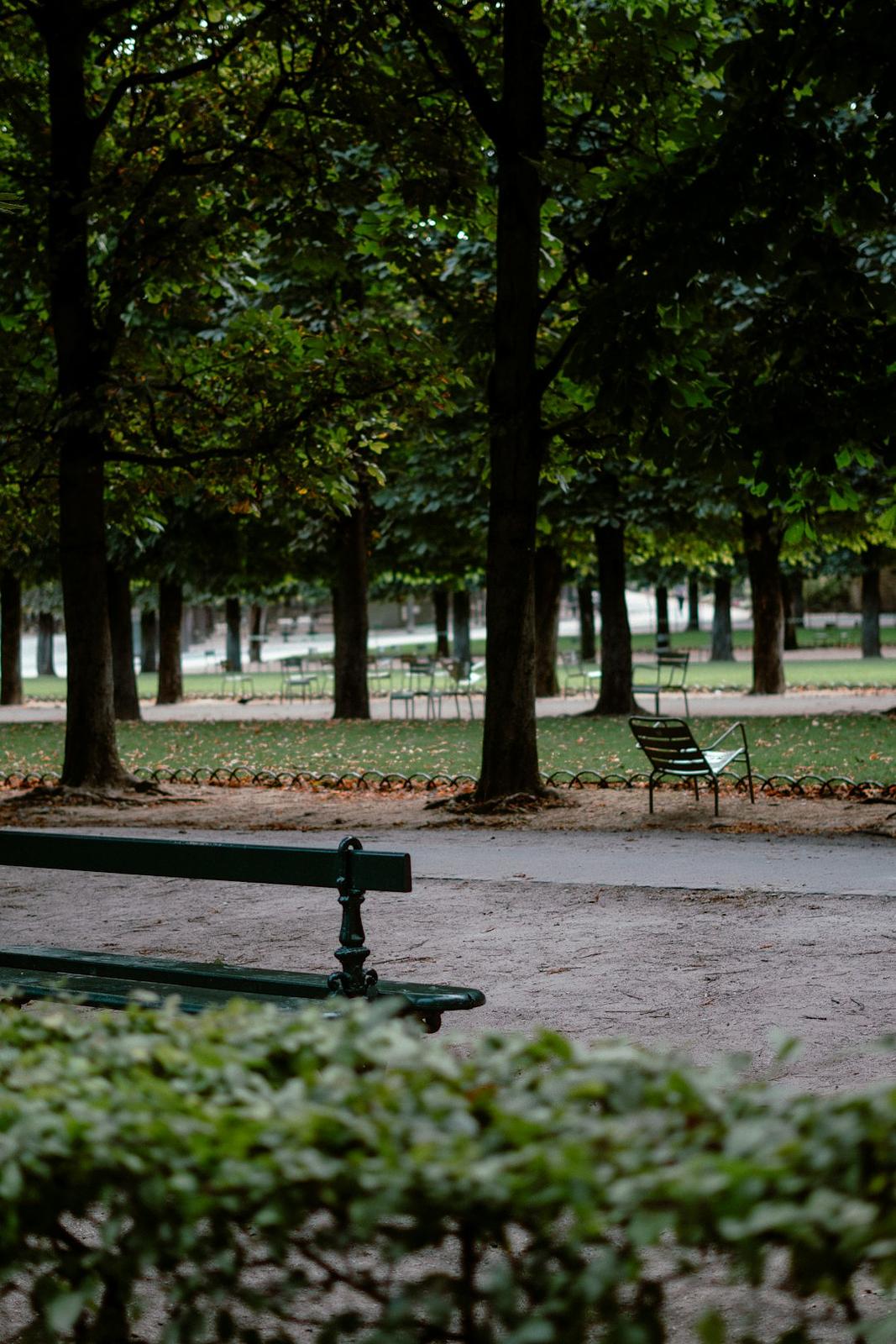
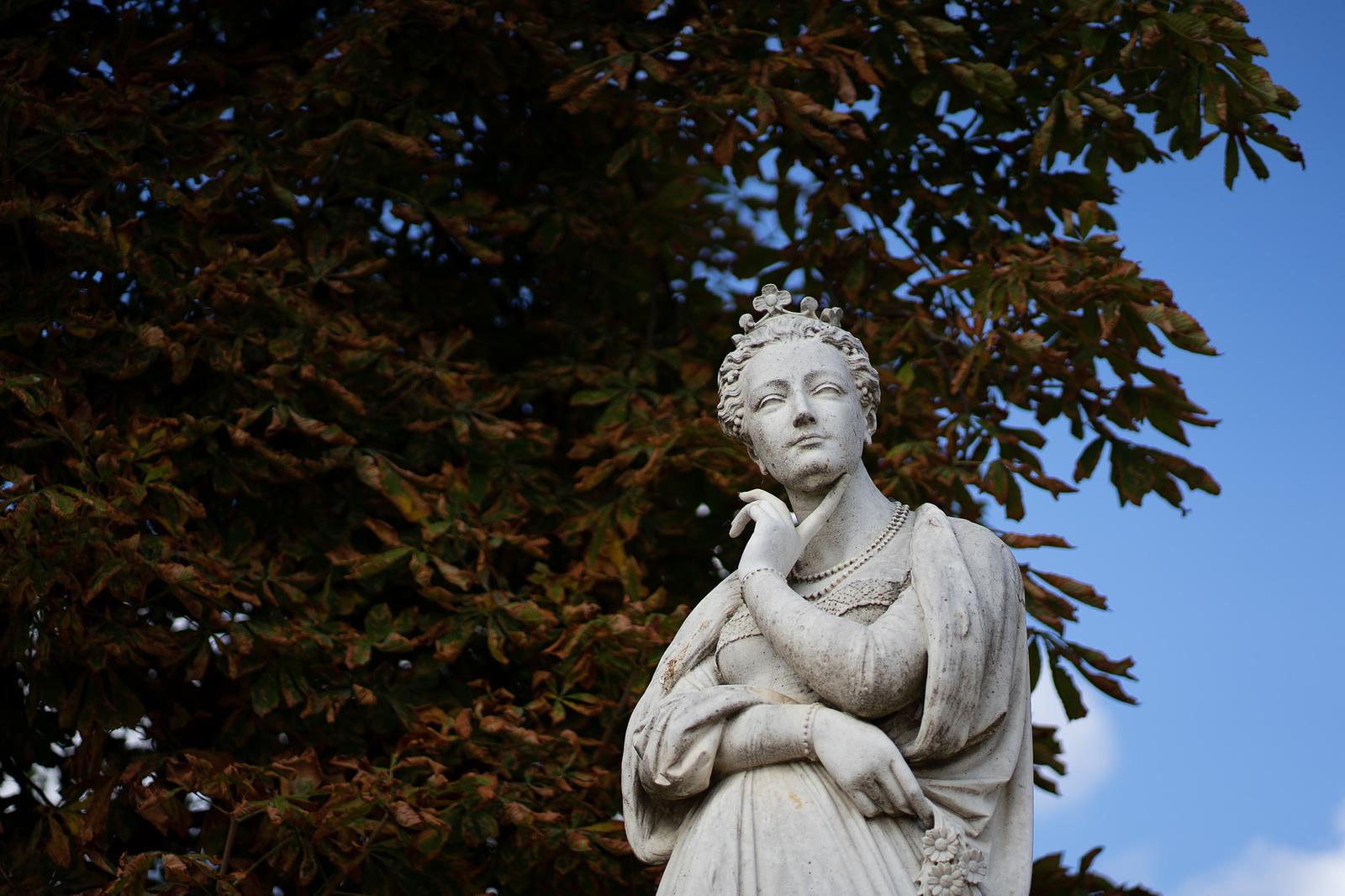
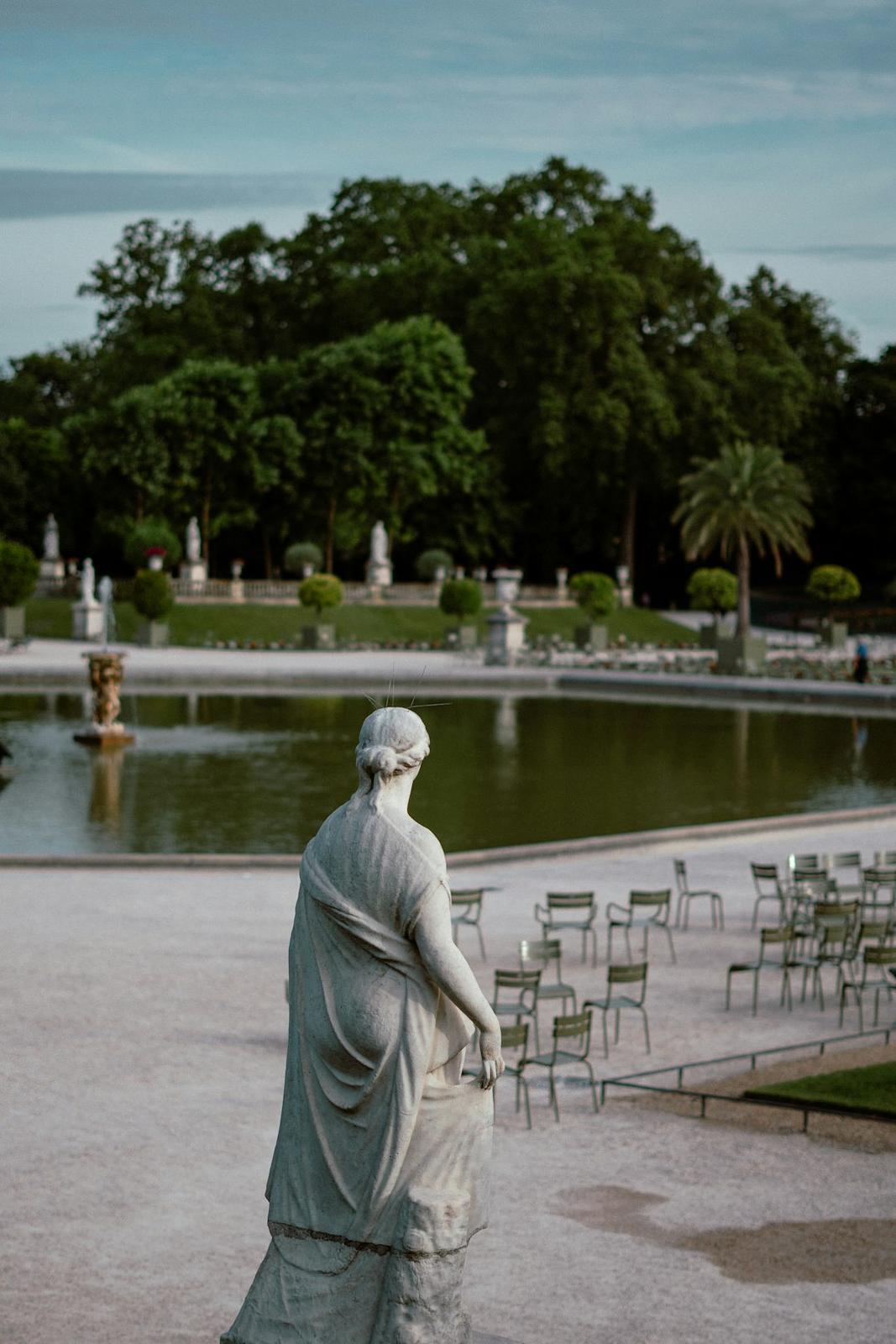
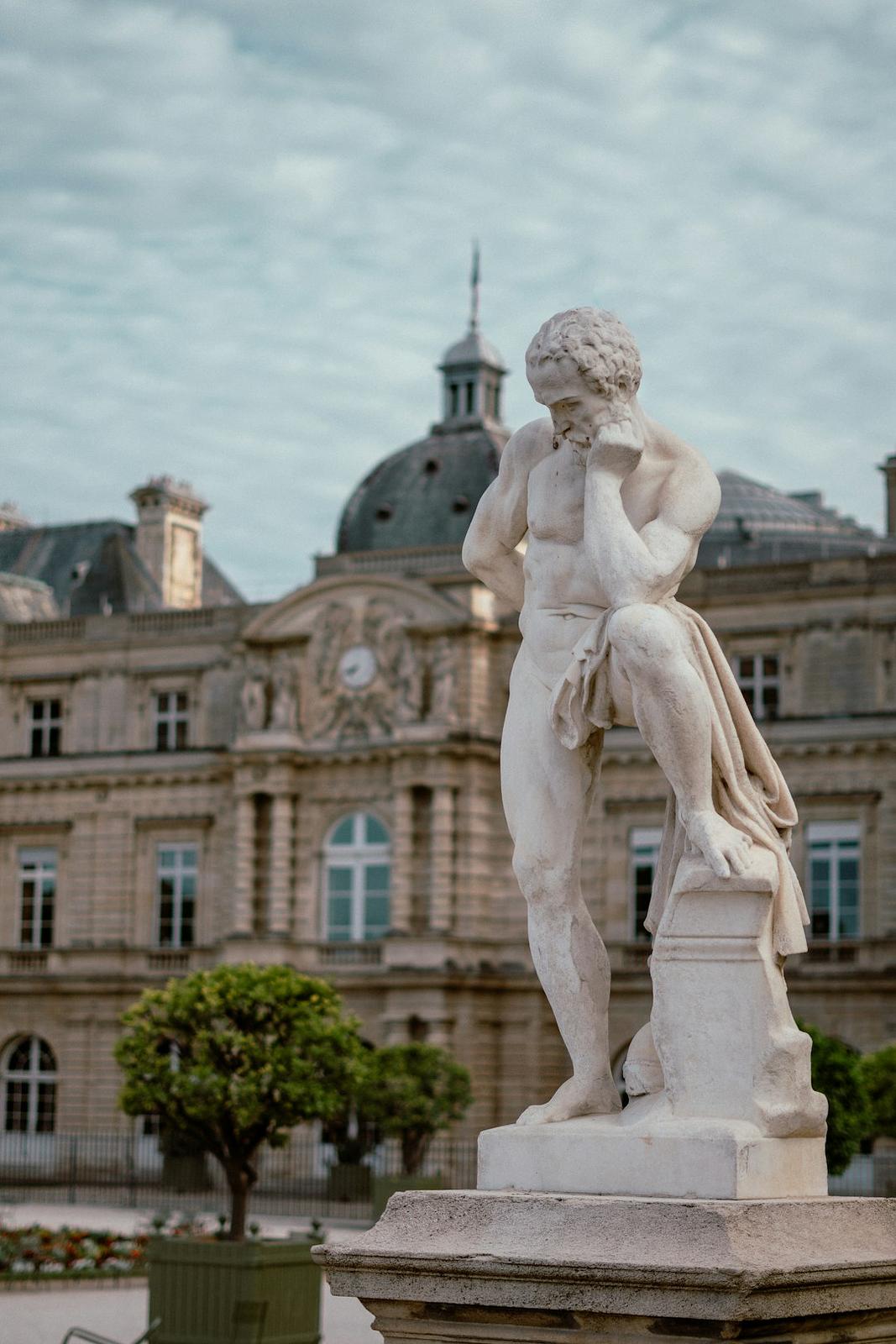
Commissioned in 1612 by Marie de’ Medici, the Jardin du Luxembourg carries the quiet ambition of a Florentine court translated into Paris. The queen, nostalgic for her native Florence, ordered the Palais du Luxembourg and its gardens as a personal refuge. What followed evolved into something distinctly Parisian, shaped as much by centuries of daily life as by its original design. The structure remains clear. A formal French parterre stretches outward with geometric precision, aligned with the palace, before dissolving into shaded groves where gravel paths invite long walks without direction. At the center, the octagonal basin draws people in. Children still push small wooden sailboats across the water, a ritual unchanged since the nineteenth century. Sunlight transforms the entire setting. The pale gravel reflects it upward, the green metal chairs catch it in sharp lines, and the stone façade seems to glow rather than simply stand. These chairs, scattered across the garden, are deliberately movable. You will see people quietly dragging them a few centimeters at a time, turning toward the sun, adjusting to a conversation, or claiming a view. It creates a subtle choreography, a garden that rearranges itself continuously without ever losing its order. One of the more discreet details is the Statue of Liberty (Luxembourg Garden replica), installed in 1900 as a tribute to Frédéric Auguste Bartholdi. Smaller, almost understated, it stands among the trees without demanding attention. You may pass it more than once before noticing it, which feels appropriate in a place that reveals itself gradually. Nearby, the Medici Fountain offers a different rhythm. Its long reflecting pool and filtered light create a quieter, more introspective atmosphere, a deliberate contrast to the openness of the central garden. The French Senate still occupies the palace today, giving the garden a rare continuity of purpose. Power remains present, though it now shares the space with readers, runners, and those simply following the sun across Paris.
Contact
- Phone
- +33 1 42 34 20 00
- Website
- Visit website
Location