General archive of the Indies
Av. de la Constitución, s/n, Casco Antiguo, 41004 Sevilla, Spain
About
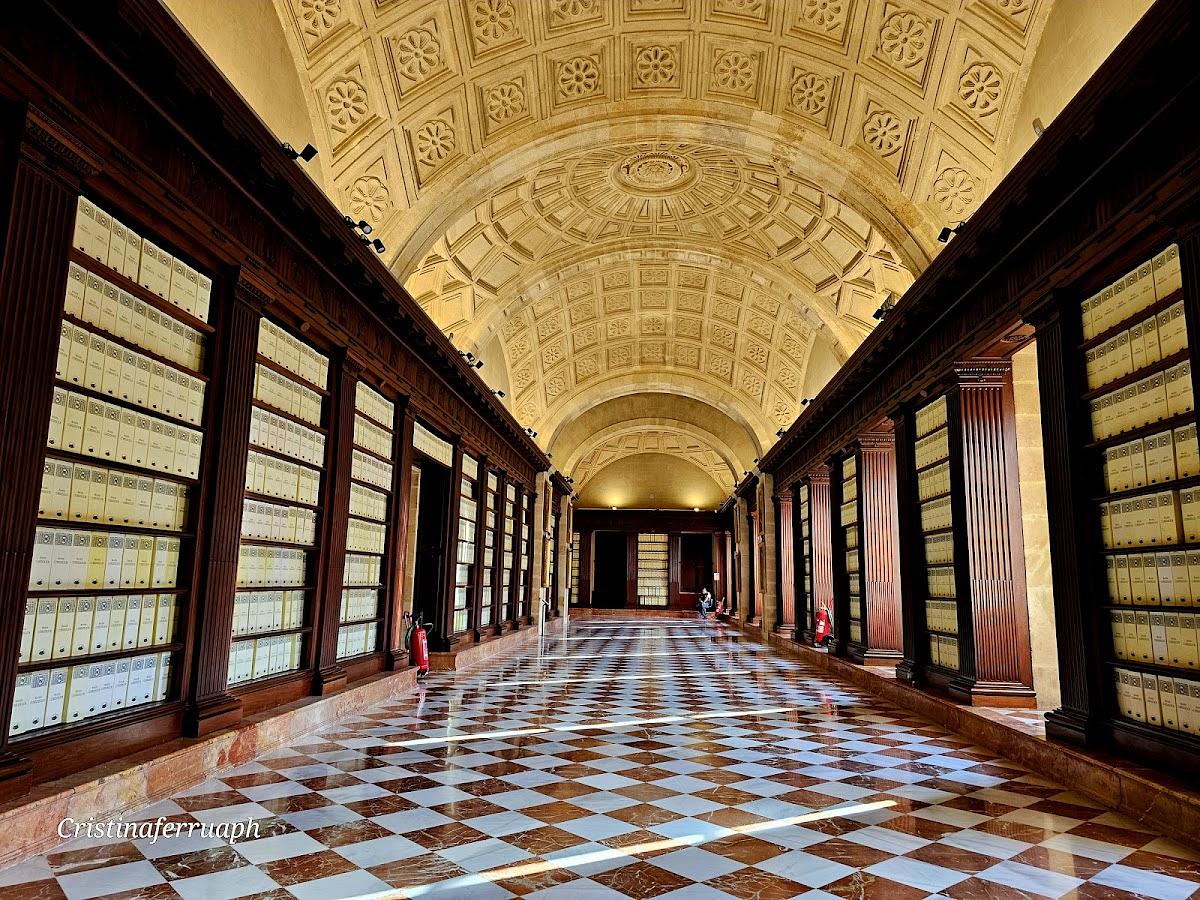
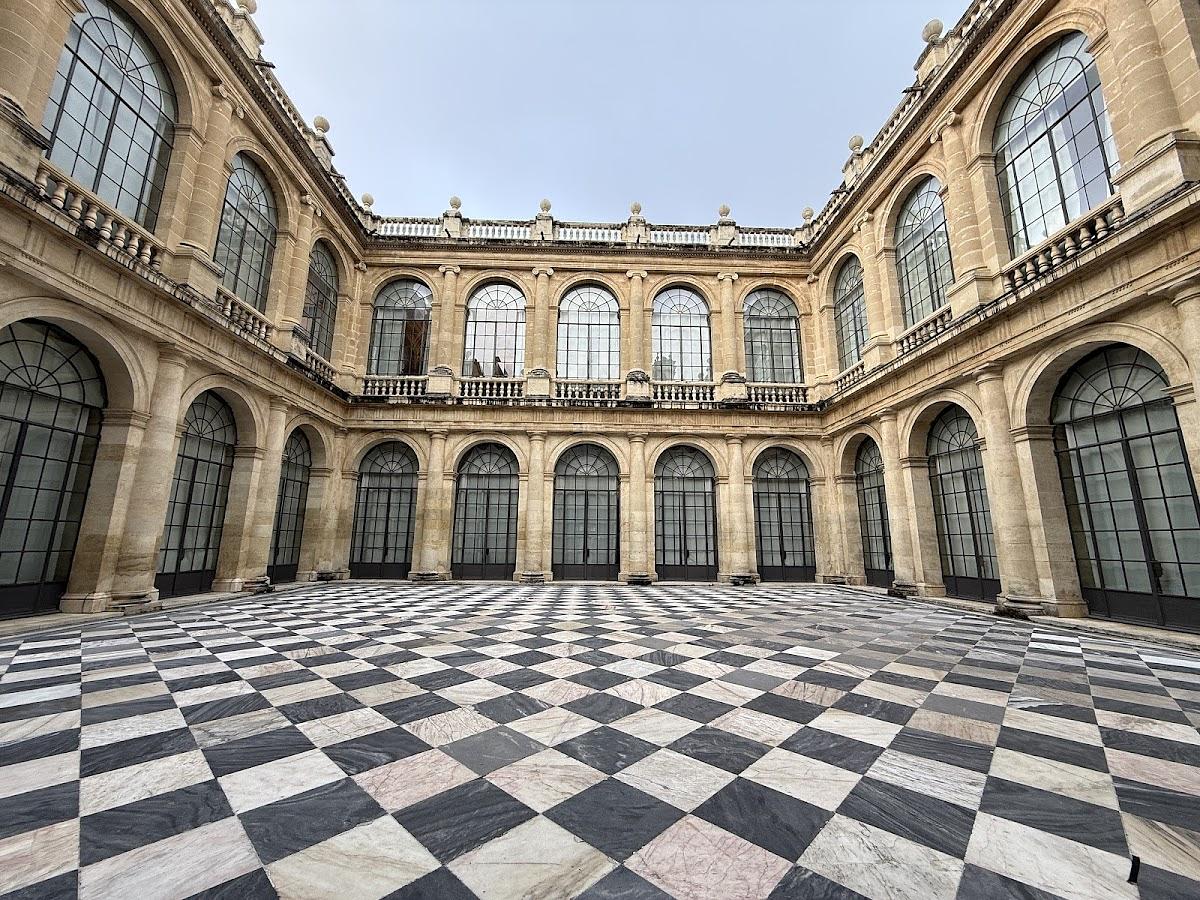
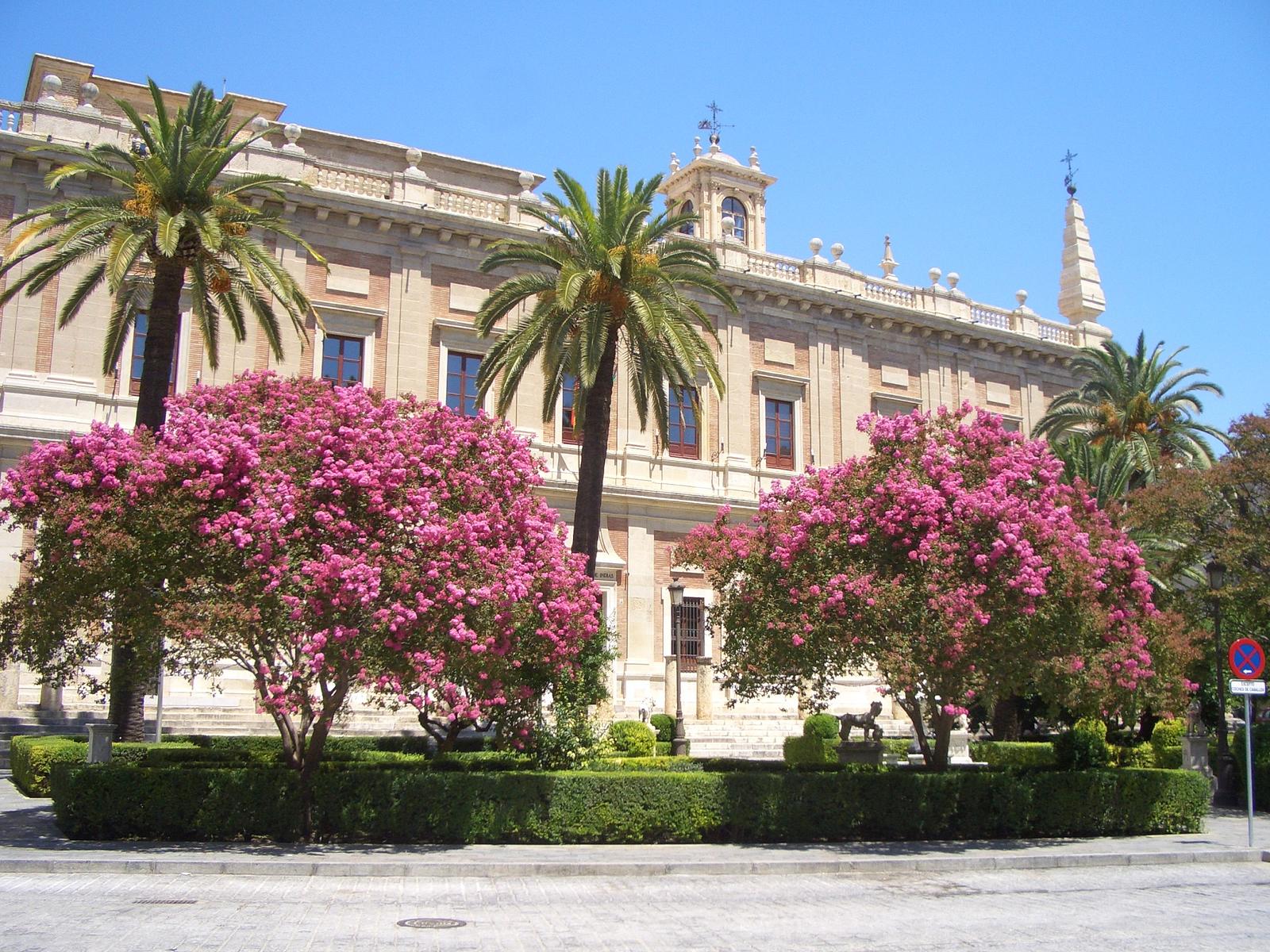
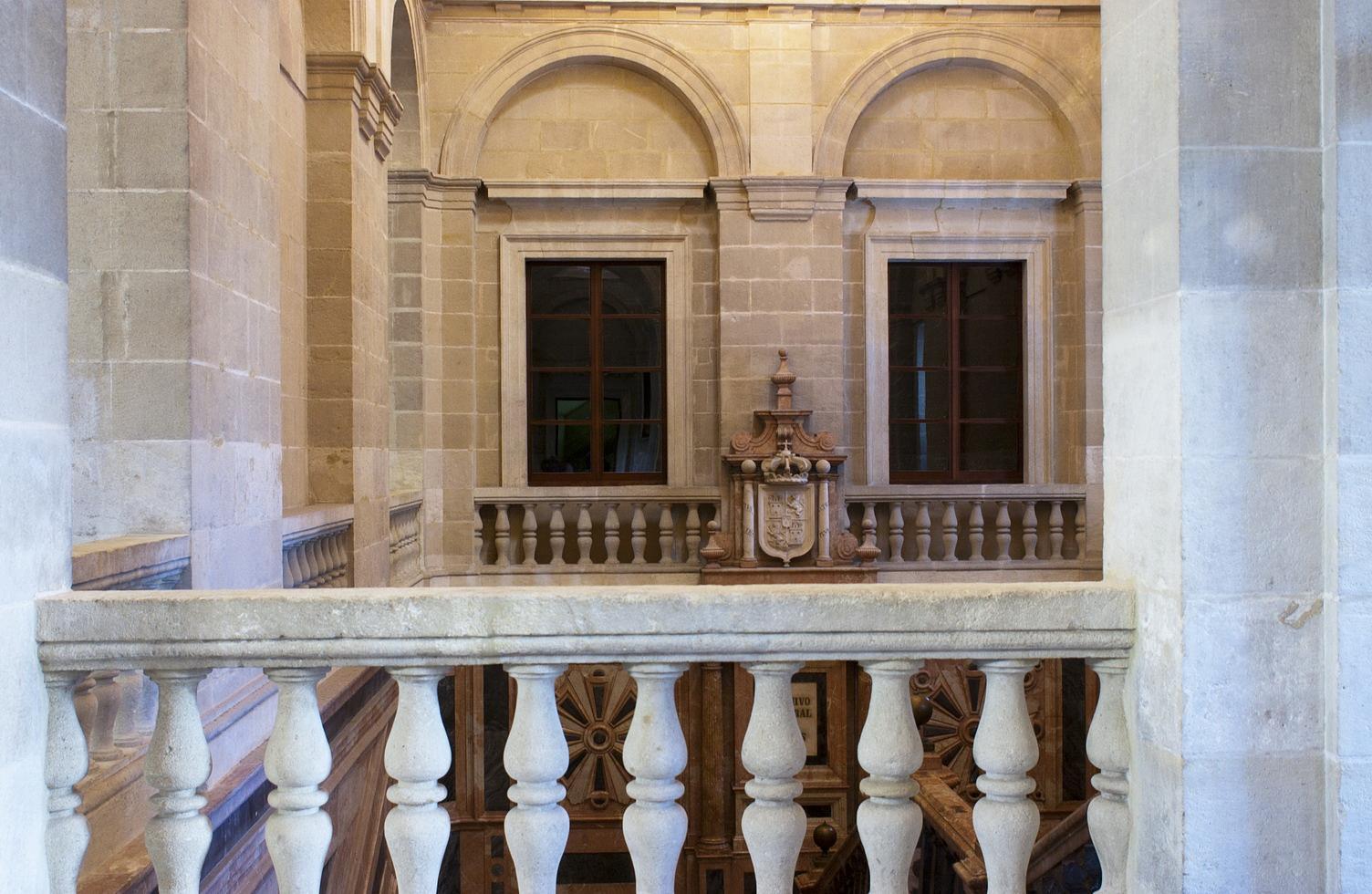
Few buildings in Seville explain the city’s place in the world with such quiet authority as the General Archive of the Indies. Standing beside the Cathedral and the Alcázar, it was conceived in the late sixteenth century as the Casa Lonja, a merchants’ exchange commissioned under Philip II and designed by Juan de Herrera. Its severe Renaissance geometry still carries the discipline of state power: measured façades, a square plan, and a sense of order that feels almost administrative in stone. That restraint matters. In a city given to ornament, the archive speaks in a lower voice, and for that reason often leaves the deeper impression.  The building’s present role sharpened in 1785, when Charles III turned it into the central repository for documentation relating to Spain’s overseas empire. The shift was both practical and symbolic. What had been a place of commerce became a place of memory, gathering together the papers of imperial government in a structure originally built for the men who profited from that system. Today the archive preserves more than 43,000 files across kilometres of shelving, with tens of millions of pages and thousands of maps and plans. The scale is immense, yet the atmosphere is strikingly composed. There is none of the theatrical gloom often associated with archives. What defines the place is clarity: corridors, courtyards, stone, light, and the knowledge that within this calm shell lie the records of conquest, trade, administration and encounter across the Atlantic and beyond.  That tension between elegance and consequence is what gives the General Archive of the Indies its lasting force. UNESCO recognises it, alongside Seville Cathedral and the Alcázar, as part of a world heritage ensemble that embodies the city’s role as the gateway between Spain and the Americas. Yet the archive’s real power is more precise than any grand label. It makes empire legible. Not through spectacle, but through architecture fitted to paperwork, and paperwork fitted to power. In Seville, where beauty often arrives with a flourish, this is a rarer achievement: a building whose dignity comes from how plainly it reveals the machinery behind history. 
Contact
- Phone
- +34 954 50 05 28
- Website
- Visit website
Location